
Cell-free DNA Synthesis for a Faster Path to RNA and DNA Therapeutics
Posted on Tuesday, March 24, 2026
By
Topic: What is Trending in Science
Speed has become one of the most important differentiators in therapeutic development. For teams developing DNA and RNA therapeutics, non-viral gene therapies, viral vectors, cell-free protein synthesis workflows, or CRISPR gene editing, shortening the design-to-test cycle can be the defining factor in program success.
Yet many development pipelines still rely on plasmid DNA produced through E. coli fermentation. The process is familiar and well-established, but it introduces delays and operational complexity that are increasingly at odds with rapid design–build–test cycles.
There is a pressing need for innovation in DNA manufacturing as advanced therapies for common diseases move into clinical pipelines. The primary constraint is not just DNA synthesis capacity, but also the need for scalable processes that ensure robust quality, safety, and regulatory compliance, while minimizing cost.
Cell-free dbDNA™ (doggybone™) technology is a fundamentally different path forward with significant benefits.
dbDNA technology replaces bacterial fermentation in plasmid-based systems with enzymatic synthesis, thereby cutting timelines and costs. Manufacturing is simplified by removing many constraints associated with traditional plasmid workflows, while delivering a cleaner DNA starting material for downstream RNA and DNA therapeutic applications.
The limitations of plasmid DNA manufacturing
Conventional plasmid DNA production, even at a small scale, requires transforming bacteria, picking colonies, growing overnight cultures, purifying plasmids, and performing restriction digests before the DNA is ready for downstream use. At the early stages of project development, when multiple constructs are screened in parallel, this becomes the rate-limiting step.
At a larger scale, this also includes:
• Complex cell-banking steps
• Reliance on large-scale fermentation systems
• Managing host-cell impurities (endotoxin control and bacterial DNA and proteins)
In practice, production-scale DNA manufacturing can take weeks to months, largely driven by bacterial growth requirements and regulatory controls. Each of these steps adds time, cost and risk.
What is dbDNA?
dbDNA is linear double-stranded DNA with covalently closed hairpin ends, produced entirely through enzymatic synthesis.
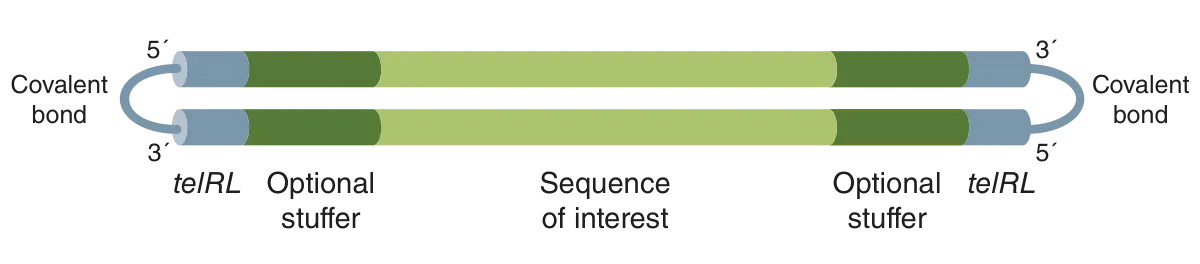
Figure 1: dbDNA (doggybone DNA) is linear, double-stranded DNA with covalently-closed ends
Because dbDNA is generated without a bacterial host, it eliminates the drawbacks of working with plasmid systems, such as the presence of bacterial backbone sequences and antibiotic resistance markers, as well as endotoxins associated with Gram-negative bacterial production. dbDNA synthesis generates a cleaner DNA starting material for therapeutic workflows.
The EnClose™ Cell-free dbDNA™ Synthesis workflow uses the robust combination of high-fidelity phi29-XT DNA polymerase for high-yield rolling circle amplification (RCA) and TelN Protelomerase for deconcatenation and covalent closure of linear dsDNA ends, in a streamlined, one-day process.
Key advantages include:
• Cell-free, fermentation-free, enzymatic production
• Elimination of bacterial sequences
• Lower bioburden and endotoxin risk
• Scalability with a small manufacturing footprint
• Faster turnaround, measured in weeks rather than months
• Reduced regulatory burden due to the absence of microbial components
All of these advantages help teams move more quickly from the bench to the clinic.
RNA therapeutics and IVT templates
For RNA therapeutics, DNA is the template for in vitro transcription, so speed and purity are imperative.
Using dbDNA technology, an IVT template can be generated in approximately 24 hours with only 1.5 hours of hands-on time. By comparison, linearized plasmid generation can take 3 to 4 days with significantly more hands-on time for bacterial culture, plasmid purification and restriction digestion.
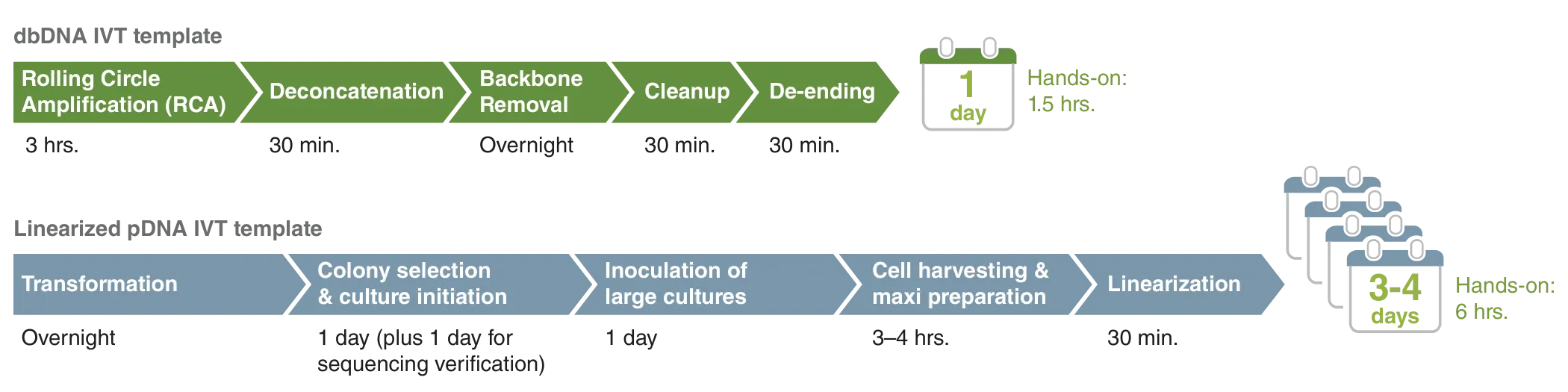
Figure 2: dbDNA enables template generation in 1 day, with just 1.5 hrs hands-on time compared to pDNA template generation in 3-4 days with 6 hrs hands-on time.
Again, this is valuable time in the early stages of a project when teams are screening many candidates in parallel.
Beyond the timeline improvements, dbDNA has several advantages over plasmid DNA as an IVT template:
• No plasmid backbone sequences
• Low endotoxin and bioburden risk
• Maintenance of long or repetitive elements such as poly(A) tails, which provides high reproducibility
The enzymatic workflow enables the DNA assembly step to move seamlessly to dbDNA synthesis without bacterial transformation or overnight culture. The faster design-build-test cycle allows more time for optimization of untranslated regions, coding sequences, and delivery formats.
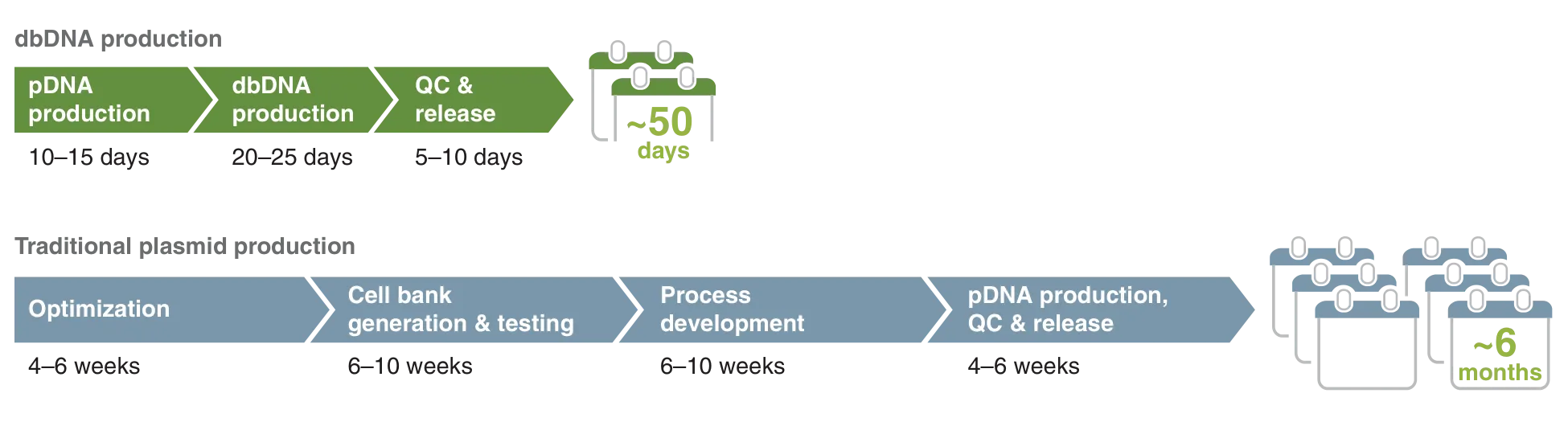
Figure 3: dbDNA enables multi-gram DNA manufacture in weeks, rather than months
DNA therapeutics and vector workflows
The benefits of dbDNA synthesis also apply to DNA applications.
For DNA therapeutics and viral vector manufacturing, conventional plasmid production adds complexity similar to that mentioned above, whereas dbDNA offers a simplified cell-free enzymatic workflow, removal of bacterial sequences, lower endotoxin and contamination risks, a smaller laboratory footprint, and reduced regulatory burden.
This simplified profile, which removes microbial dependencies, makes dbDNA particularly appealing for early-stage DNA therapeutic programs, including AAV and lentiviral payload production, and other applications where clean DNA and rapid iteration are critical.
A workflow built for rapid iteration
At a high level, dbDNA synthesis involves:
• Rolling-circle amplification, which produces long concatemers of dsDNA
• Enzymatic processing cleaves and covalently seals the ends of the DNA into linear constructs, while restriction enzymes and exonucleases remove unwanted backbone sequences
• Clean-up/ purification of high-purity dbDNA for downstream use
This workflow can be completed in a single day. Reactions scale linearly and require only standard laboratory equipment (no fermenters needed), making dbDNA synthesis accessible in both research and manufacturing environments.
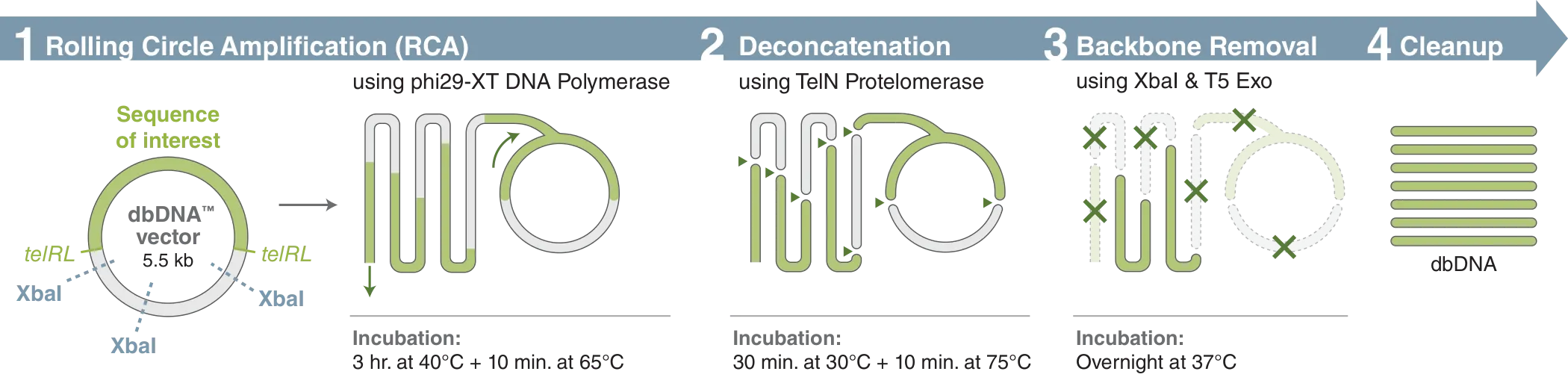
Figure 4: Overview of the EnClose Cell-free dbDNA Synthesis Kit workflow
Faster DNA enables faster development
For both RNA and DNA therapeutics, dbDNA synthesis is an exciting and necessary shift away from fermentation-based workflows toward faster, cell-free manufacturing.
By reducing DNA production timelines from months to days, dbDNA helps:
• Accelerate early development with faster iterations and high-throughput screening
• Reduce operational complexity and footprint
• Simplify regulatory pathways
• Move promising candidates toward the clinic sooner
The choice of DNA starting material has become a strategic decision. Cell-free dbDNA offers a clear advantage: a simpler workflow, cleaner DNA and a dramatically shorter path from sequence design to therapeutic impact.
Learn More About EnClose Cell-free dbDNA Synthesis Kit
NEB will not rent, sell, or otherwise transfer your data to a third party for monetary consideration. See our Privacy Policy for details. View our Community Guidelines.
Products and content are covered by one or more patents, trademarks and/or copyrights owned or controlled by New England Biolabs, Inc (NEB). The use of trademark symbols does not necessarily indicate that the name is trademarked in the country where it is being read; it indicates where the content was originally developed. All other trademarks are the property of their respective owners. The use of this product may require the buyer to obtain additional third-party intellectual property rights for certain applications. For more information, please email busdev@neb.com.
Don’t miss out on our latest NEBinspired blog releases!
- Sign up to receive our e-newsletter
- Download your favorite feed reader and subscribe to our RSS feed
Be a part of NEBinspired! Submit your idea to have it featured in our blog.